IR Quartz 375W Heater Guide: 115-125V vs Competitors
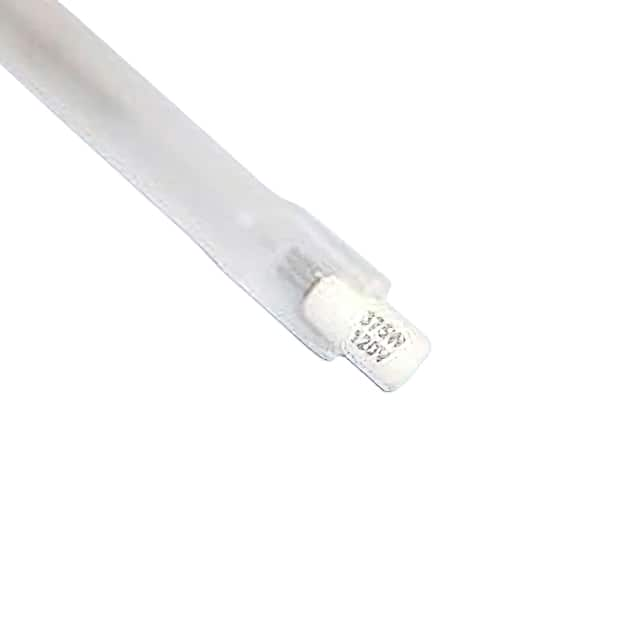
This component, the INFRARED QUARTZ 375W 115-125V (Brand: Interlight, SKU: WW-ELC6-1), belongs to the category of infrared quartz heating elements. These are not traditional electronic components like resistors or capacitors, but rather electromechanical actuators that convert electrical energy into radiant heat, specifically in the infrared spectrum. Their primary role in electronic systems is to provide controlled, direct heat for processes such as curing, drying, bonding, and thermal forming. They are critical in industrial machinery, medical equipment, and commercial appliances where precise, non-contact heating is required. Unlike resistive heating coils, quartz tubes enclose a tungsten filament, which emits infrared radiation when energized, allowing for rapid heat-up and targeted energy transfer without heating the surrounding air.
When selecting an infrared quartz heating element like the WW-ELC6-1, several key parameters must be evaluated. The wattage (375W) and voltage rating (115-125V) define the power output and compatibility with the electrical infrastructure. The wavelength of the emitted infrared radiation is crucial—short-wave (near-infrared) penetrates deeper, while medium-wave is better for surface heating. The physical dimensions (length, diameter, and shape) must match the equipment’s mounting and reflector design. Filament material and quartz tube grade affect lifespan and durability, particularly in high-temperature or chemically harsh environments. Finally, warm-up time and emissivity efficiency influence process speed and energy consumption.
Comparing this Interlight component to alternatives, such as ceramic infrared heaters or halogen lamps, reveals distinct trade-offs in performance, cost, and availability. Performance-wise, the quartz element offers faster warm-up and higher peak temperatures than ceramic heaters, making it superior for rapid cycling applications. However, ceramic heaters are more robust for continuous operation and less prone to thermal shock. Halogen lamps provide similar speed but have a shorter lifespan due to filament degradation. The cost of the WW-ELC6-1 is typically moderate; it is less expensive than specialty halogen or high-efficiency carbon infrared emitters, but more costly than basic resistive wire elements. Availability for standard wattage and voltage combinations like 375W/120V is generally high through distributors like Interlight, whereas custom length or exotic wavelength elements often face longer lead times.
Several industry trends are currently shaping this component category. The push toward energy efficiency is driving development of emitters with optimized wavelength matching to specific materials, reducing waste heat. The miniaturization of industrial equipment is increasing demand for compact, high-wattage elements like the 375W size. Additionally, the shift to electric heating in industries formerly reliant on gas or steam is boosting adoption. However, supply chain constraints for raw materials such as high-purity quartz and tungsten filaments have caused periodic shortages, affecting lead times. The rise of smart manufacturing is also integrating these elements with IoT controls for precise temperature profiling, necessitating components with stable electrical characteristics.
You should choose this specific Interlight component, the INFRARED QUARTZ 375W 115-125V, when your application requires a balance of speed, moderate power, and reliability at a standard voltage. It is ideal for replacing elements in existing equipment where the original part is obsolete, or for new designs in small to medium-sized ovens, conveyor dryers, or surface mount technology (SMT) reflow stations. Its 375W rating suits localized heating tasks that do not demand excessive power, such as preheating substrates in semiconductor packaging or drying coatings in laboratory setups. Avoid it if you need extremely high wattage (above 1000W) or operate in corrosive environments where ceramic elements would last longer.
From a procurement perspective, key considerations for the WW-ELC6-1 include lead times, which for Interlight products typically range from 4 to 8 weeks, depending on stock levels at the time of order. Custom configurations (e.g., different tube length or connector types) can extend this to 10-12 weeks. The lifecycle status of this component is currently active, but as with many quartz infrared elements, it is a mature technology; obsolescence risk is low but not zero, as manufacturers may phase out less common wattages. Always confirm the minimum order quantity (MOQ) and whether the product is non-cancelable/non-returnable (NCNR) due to its made-to-order nature. For second-source options, consider brands like Philips, Ushio, or Heraeus, which offer similar 375W quartz elements, though verify pin spacing, tube diameter, and voltage tolerance to ensure drop-in compatibility. The Interlight SKU is often favored for its consistent quality and competitive pricing, but having an approved alternate manufacturer can mitigate supply risks. Finally, request a certificate of compliance for safety standards (e.g., UL, CE) if the application is in medical or food-grade equipment.