SMA Jack Covers: Critical Protection for RF Connectivity
The humble connector cap, often overlooked in the grand architecture of RF systems, is a critical guardian of signal integrity and long-term reliability. The Amphenol RF 132364, a connector cap (cover) designed specifically for SMA jacks, serves as a perfect lens through which to examine the subtle but significant shifts occurring in the broader interconnect industry. While it may appear to be a simple passive accessory, its role is anything but trivial, and its market dynamics reveal a great deal about the health and direction of the entire RF ecosystem.
Technology Behind the Component and Recent Innovations
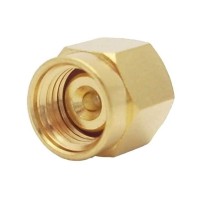
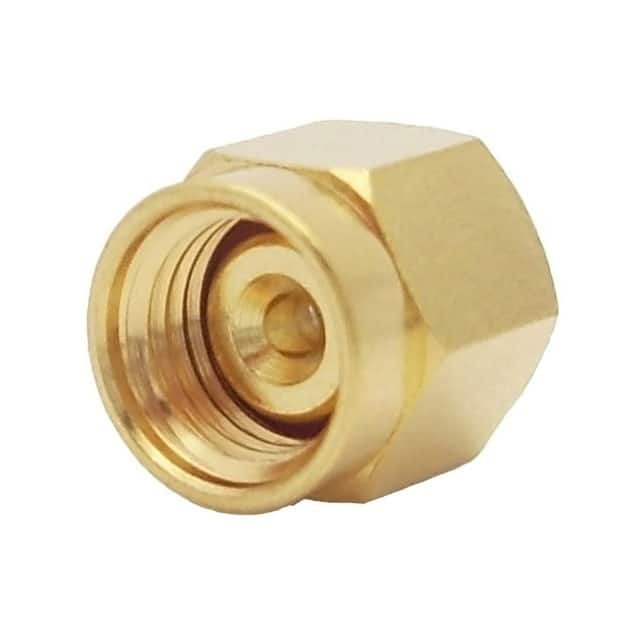
The 132364 is a precision-machined cap, typically constructed from brass with a durable plating—often gold or nickel—to ensure excellent electrical conductivity and corrosion resistance. Its primary function is to protect the center pin and dielectric of an SMA jack from physical damage, dust, and moisture when not in use. The technology here is straightforward, but the innovation lies in the details. Modern caps are designed with a knurled or hex-shaped body for easy hand tightening, ensuring a secure but not over-torqued fit that prevents damage to the jack’s threads. Recent innovations in this niche segment include the use of PTFE or other high-performance polymer inserts inside the cap, which provide a soft, non-abrasive seal against the mating plane without introducing particulate contamination. Additionally, some manufacturers are now offering caps with built-in ESD (electrostatic discharge) protection, a feature gaining traction in sensitive electronics manufacturing environments. The Amphenol RF 132364, while a mature design, benefits from consistent material quality and tight tolerances, ensuring a repeatable, low-insertion-force fit that protects the SMA interface across thousands of mating cycles.
Market Trends and Demand Drivers
The demand for SMA connector caps is directly correlated to the production volume of RF equipment, test instruments, and communication systems. The current market is being driven by several powerful macro trends. First, the proliferation of 5G infrastructure, from massive MIMO antennas to small cells, requires thousands of SMA connectors per base station, each needing a protective cap during shipping, handling, and field installation. Second, the ongoing build-out of data centers, particularly for high-speed copper and optical interconnects, uses SMA connectors for test and measurement ports, driving steady demand for protective covers. Third, the aerospace and defense sector remains a robust consumer, where mil-spec requirements for durability and contamination control make caps essential for maintaining system readiness. The trend toward miniaturization is also relevant; while SMA remains a workhorse, the caps themselves are becoming more compact and lightweight, often with integrated lanyards or chains to prevent loss in tight equipment racks.
Supply Chain Dynamics, Lead Times, and Pricing
The supply chain for a component like the 132364 is a study in resilience and regionalization. Amphenol RF sources raw brass and plating chemicals globally, with significant manufacturing footprints in North America, Asia, and Europe. For standard, high-volume caps, lead times have historically been short—often 2 to 4 weeks for off-the-shelf items. However, recent geopolitical tensions and logistics disruptions have caused sporadic tightening, pushing lead times to 6-8 weeks in some regions. Pricing for passive RF accessories has remained relatively stable, but raw material costs, particularly copper and nickel, are volatile. The shift towards nickel-free or lower-cost plating alternatives is a slow but observable trend, though it is resisted in high-reliability sectors where gold plating remains the gold standard. For procurement teams, the key risk is not the cost of the cap itself (which is low) but the cost of a production line shutdown due to a missing cap. Therefore, maintaining a safety stock of critical SKUs like the 132364 is a strategic imperative.
Emerging Applications Driving New Demand
Beyond traditional telecom and defense, new applications are creating unexpected demand for SMA caps. The electric vehicle (EV) sector is a prime example. EVs use SMA connectors in battery management systems, telematics units, and RF-based tire pressure monitoring systems. During vehicle assembly, these connectors must be protected from paint, dirt, and metal shavings, making caps indispensable. Similarly, the rise of satellite IoT and low-earth-orbit (LEO) constellations has introduced a new generation of ground terminal equipment, each with multiple SMA ports that require robust protection during outdoor installation. In the medical device industry, SMA connectors are used in high-frequency surgical and diagnostic equipment, where caps must be sterile or at least cleanroom-compatible. The 132364, while not a sterile product, is often used in cleanroom assembly processes to prevent particle contamination, a critical requirement for implantable and diagnostic devices.
Technology Roadmap: What’s Next
The future of SMA caps is not about reinventing the wheel but about enhancing material science and ergonomics. We anticipate a shift towards bio-based and recyclable polymers for the outer body, reducing environmental impact without sacrificing durability. Another development is the integration of RFID tags into caps for inventory tracking and automated maintenance scheduling—a smart factory concept that could allow a technician to scan a rack and know exactly which ports are protected and which are exposed. Additionally, as RF frequencies push higher into the millimeter-wave range, the cap’s internal geometry will need to be optimized to prevent any micro-resonance that could interfere with measurements when the cap is left on during testing. This is a niche but important engineering problem that Amphenol and others are actively addressing. The SMA connector itself is not going away; its 50-ohm impedance and robust mechanical design are too entrenched. Therefore, its caps will continue to evolve in parallel, ensuring signal integrity for decades to come.
Impact of Industry Regulations
Compliance with regulations is non-negotiable. The 132364, like all Amphenol RF products, is RoHS (Restriction of Hazardous Substances) compliant, ensuring it is free from lead, mercury, and other restricted materials. For the European market, REACH (Registration, Evaluation, Authorisation and Restriction of Chemicals) compliance is mandatory, and Amphenol provides full declarations to support downstream OEM certifications. In the automotive sector, the shift towards IATF 16949 certification for component suppliers is a significant driver. While a cap is not a safety-critical part, having it manufactured in an IATF-certified facility ensures consistent quality and traceability, which is increasingly required by tier-one automotive suppliers. For defense and aerospace, the cap must meet stringent standards like MIL-STD-348, which governs the interface dimensions and environmental resistance. Procurement teams must verify these certifications, as a non-compliant cap can jeopardize an entire system’s regulatory approval.
Strategic Recommendations for Procurement Teams
For those sourcing the Amphenol RF 132364, the strategy should be threefold. First, do not treat this as a commoditized purchase. The cost of a counterfeit or low-quality cap is not the price difference, but the risk of damaged SMA jacks leading to expensive field failures. Always source from authorized distributors like our own network. Second, establish a kanban or min-max inventory system for this SKU, as its low cost and small size make it ideal for automated reordering. Third, engage in annual volume agreements with a primary supplier and a secondary source to hedge against regional supply disruptions. Finally, consider future-proofing by requesting samples of newer caps with improved sealing or ESD features, and test them for compatibility with your assembly process. A small investment in cap quality yields a massive return in system reliability. In the world of RF, it is often the smallest components that protect the largest investments.