ISO Symbol 16" Sign: Key Industry Insights & Specs
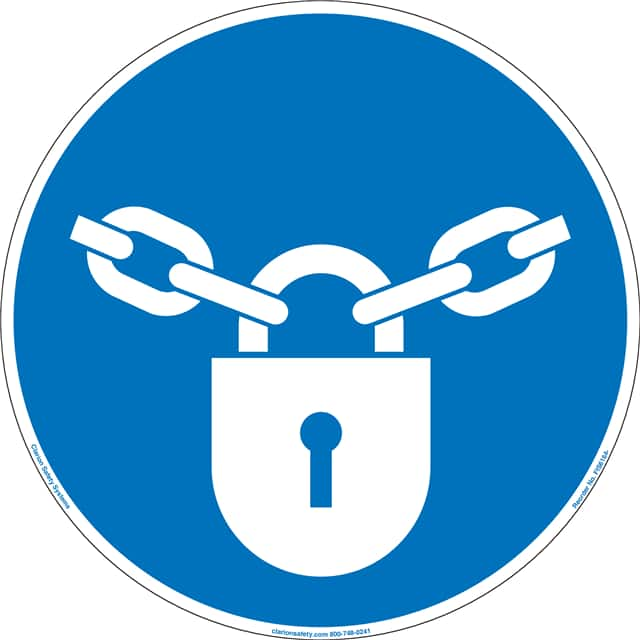
In the realm of industrial safety and operational efficiency, the humble safety sign is undergoing a quiet but significant technological and commercial transformation. The Clarion Safety Systems ISO Symbol 16.00" x 16.00" Sign (SKU: FIS6164-BJFA6) serves as a prime example of how a seemingly static component is being re-engineered for the demands of modern facilities. This product, a large-format, durable ISO-compliant hazard identifier, is no longer just a printed placard; it is becoming an integrated node in the broader ecosystem of smart manufacturing, regulatory compliance, and risk mitigation. Understanding the forces shaping this category is critical for procurement teams that traditionally overlook it as a commodity buy.
The technology behind this component is evolving beyond simple ink-on-aluminum. Recent innovations in the safety signage segment focus on material science and print durability. For a 16.00" x 16.00" sign, the substrate is key. Leading manufacturers like Clarion are leveraging high-density polyethylene (HDPE) or fiberglass-reinforced composites that resist UV degradation, chemical corrosion, and impact. The printing technology has shifted to UV-curable inks and thermal transfer processes that offer superior edge adhesion and scratch resistance, ensuring the ISO pictogram remains legible for 10-15 years in harsh environments. More advanced, the integration of QR codes and NFC chips into these signs is on the rise. This allows a static ISO symbol to become a dynamic data portal, linking maintenance workers to real-time equipment status, lockout/tagout procedures, or augmented reality (AR) overlays for repair instructions. The FIS6164-BJFA6, with its standardized ISO 7010 graphics, is well-positioned for such retrofitting, as the core symbol geometry remains unchanged even as the physical media gains intelligence.
Market trends and demand drivers in this segment are strongly tied to the global push for ESG (Environmental, Social, and Governance) metrics and workplace safety regulations. Post-pandemic, there has been a marked increase in industrial automation and warehouse expansion, particularly in logistics and e-commerce distribution centers. These facilities require extensive visual communication to manage the interface between humans and autonomous mobile robots (AMRs) and forklift traffic. The demand for large-format signs (16"x16" is a preferred size for high-visibility zones) is surging because they serve as primary human-robot communication channels. Additionally, the tightening of OSHA guidelines and the global harmonization of ISO standards are driving facilities to replace generic or non-compliant signage with certified, pictogram-based systems. The push for multilingual safety communication, driven by increasingly diverse workforces, is another driver; the universal nature of ISO symbols reduces the need for text, making the large pictogram sign a cost-effective solution.
Supply chain dynamics for this component category are stabilizing after a volatile period, but pricing pressures remain. Global sourcing for these signs primarily involves raw materials like aluminum (for standard metal signs) and specialized polymers. Aluminum prices, which spiked during the post-pandemic supply chain crisis, have moderated but remain sensitive to energy costs and geopolitical tariffs, particularly on Chinese-produced substrates. Lead times for custom or high-spec signs like the FIS6164-BJFA6 have normalized to 2-4 weeks for standard production runs, but procurement teams should expect 6-8 weeks for large-volume orders with custom mounting or serialized barcoding. The pricing outlook is cautiously optimistic for buyers with volume leverage. However, the introduction of "smart" features (embedded sensors or RFID) is creating a bifurcated market: commodity static signs are seeing marginal 2-3% annual price increases, while tech-enabled versions command a premium of 20-40%. The key risk is the availability of specialty inks and UV-resistant coatings, which are increasingly sourced from specialized European and Japanese chemical suppliers, creating a niche dependency.
Emerging applications are pushing this component beyond the factory floor. One of the most exciting growth areas is in the renewable energy sector—specifically solar farms and battery energy storage systems (BESS). These sprawling, often remote sites require highly durable, UV-stable, and chemically resistant signage to warn of high-voltage DC risks and battery fire hazards. The 16"x16" size is ideal for mounting on perimeter fencing and equipment enclosures. Another emerging application is in the food and beverage industry, where washdown environments demand signs that can withstand high-pressure caustic cleaning agents. This is driving demand for signs with smooth, non-porous surfaces that prevent bacterial growth—a specification that the FIS6164-BJFA6's material composition must meet. Additionally, the rise of "digital twin" facilities in the semiconductor and pharmaceutical industries is creating demand for signs with precise, machine-readable markers that can be scanned by construction drones or autonomous cleaning robots to verify asset identity.
The technology roadmap for this category is clearly moving toward "hybrid" physical-digital signage. We predict that within the next three to five years, the standard ISO symbol sign will evolve to include a passive battery-free e-paper display layer for dynamic hazard level updates, or a printed antenna that allows for real-time location tracking of assets. For the current generation of static signs, the roadmap focuses on sustainability—moving to recycled aluminum and bio-based polymers to meet corporate net-zero goals. Furthermore, advances in "smart" adhesive technology are on the horizon, where the sign itself can warn if it is becoming delaminated or damaged, ensuring safety compliance is never silently compromised. Procurement teams should monitor these developments, as they will eventually make the static sign a subscription-based service rather than a one-time capital purchase.
Regulatory impacts are the most critical factor for compliance-driven purchasers. While the FIS6164-BJFA6 itself is not an electronic component, its production is subject to RoHS (Restriction of Hazardous Substances) and REACH (Registration, Evaluation, Authorisation and Restriction of Chemicals) regulations, particularly concerning the inks, plasticizers, and flame retardants used in the substrate. Recent REACH amendments have restricted the use of certain phthalates in PVC-based signage, pushing manufacturers toward polycarbonate or acrylic alternatives. For the automotive sector, which uses these signs in assembly plants and test tracks, the IATF 16949 quality standard is increasingly being applied to safety sign suppliers to ensure traceability and batch consistency. Procurement teams must verify that their supplier provides full Declaration of Conformity (DoC) documents, not just for the sign but for every component layer, including the adhesive. Failure to do so can result in costly non-compliance fines and plant shutdowns during audits.
Strategic recommendations for procurement teams are clear: treat safety signage as a strategic safety asset, not a tail-spend item. First, consolidate your supplier base to a single, certified manufacturer like Clarion to ensure consistency in ISO symbol accuracy and material quality across all sites. Second, negotiate long-term agreements (2-3 years) with price adjustment clauses tied to aluminum and polymer indices, not just CPI. Third, demand "digital readiness" in your signage specifications—even if you don't need QR codes today, ensure the sign's surface and coating are compatible with future retrofits. Fourth, audit your current signage for compliance against ISO 7010 and ANSI Z535.6; this often uncovers a 20-30% reduction in SKU count by standardizing on universal pictogram signs like the FIS6164-BJFA6, which reduces inventory carrying costs. Finally, request accelerated lead time agreements for high-turnover areas, and always maintain a safety stock of 5-10% for critical hazard zones, as production line stoppages due to missing signage are far more expensive than the sign itself.
In conclusion, the 16.00" x 16.00" ISO symbol sign is a microcosm of the broader industrial shift toward intelligent, compliant, and durable infrastructure. By understanding the material science, supply chain volatility, and regulatory landscape, procurement leaders can turn this mundane component into a driver of operational safety and long-term cost efficiency.