DC-DC Converters: Powering Next-Gen Electronics
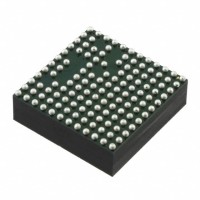
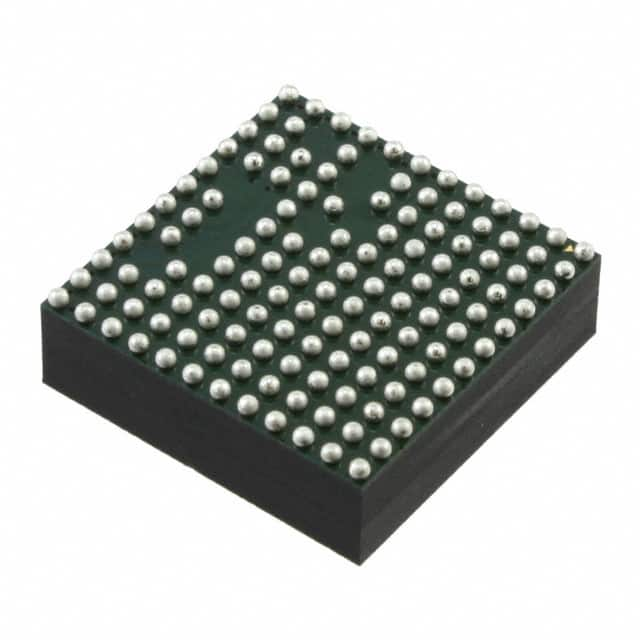
The spotlight on the LTM4627MPY#PBF, a 0.6V to 5V output DC-DC converter from Analog Devices, represents more than a single SKU—it is a lens through which we can view the tectonic shifts in power management. This specific module, part of the µModule family, encapsulates the industry’s move toward highly integrated, high-current, and thermally efficient solutions. For procurement and engineering teams, understanding the forces around this component is critical for strategic sourcing in a volatile market.
Technology Behind the LTM4627MPY#PBF: This device is a step-down DC-DC converter capable of delivering up to 15A of continuous output current from a wide 4.5V to 20V input range. The "MP" suffix denotes an extended temperature range (-55°C to +125°C), making it suitable for harsh environments. The true innovation lies in its µModule packaging—a complete system-in-package that integrates the inductor, MOSFETs, control loop, and compensation circuitry into a single surface-mount package. This eliminates the need for external inductor selection and layout-sensitive feedback loops, drastically reducing design risk and time-to-market. Recent innovations in this category include improved thermal performance via exposed pads and stacked inductors, as well as digital power management integration, though the LTM4627 itself remains an analog, high-reliability workhorse.
Market Trends and Demand Drivers: The demand for 0.6V to 5V converters is surging, driven by the insatiable appetite of FPGAs, ASICs, and high-performance processors that require lower core voltages (sub-1V) at increasingly higher currents. As AI accelerators and networking equipment push power densities higher, the need for modules like the LTM4627 that can provide precise, low-noise, and fast transient response becomes non-negotiable. Additionally, the push toward 48V bus architectures in data centers, followed by point-of-load (POL) conversion down to 0.6V, is creating a sweet spot for wide-input, high-current modules. The automotive sector, particularly for ADAS and infotainment, also demands these converters for their reliability in thermal cycling and vibration.
Supply Chain Dynamics and Pricing Outlook: The supply chain for high-reliability power modules like the LTM4627MPY#PBF is distinct from commodity components. Global sourcing is concentrated among a few specialized distributors, with lead times historically ranging from 20 to 40 weeks for MP-grade parts due to rigorous testing and extended burn-in processes. Currently, we are seeing a stabilization after the post-pandemic shortage, but lead times remain elevated compared to standard commercial parts. Pricing for MP-grade (military/automotive) versions is typically 30-50% higher than commercial equivalents, reflecting the extended temperature screening and traceability. The pricing outlook is for a modest 3-5% annual increase, driven by raw material costs (copper, silicon) and the ongoing investment in advanced packaging lines. Procurement teams should avoid last-minute buys; these parts are not off-the-shelf commodities.
Emerging Applications Driving New Demand: Beyond traditional computing, we see explosive growth in electric vehicle (EV) charging infrastructure and industrial robotics. In EV chargers, the LTM4627 is used in auxiliary power supplies for control boards, where its wide input voltage range (handling 12V to 24V battery fluctuations) and high efficiency reduce thermal management costs. In robotics, the demand for precise, compact power delivery to servo drives and embedded vision systems is growing. Another emerging area is satellite and aerospace power systems, where the MPY temperature rating is a perfect fit for low-earth-orbit (LEO) constellations, which require components that survive extreme thermal swings without failure.
Technology Roadmap: What’s Next? The roadmap for this category is clear: higher efficiency at lower voltages and integration of telemetry. While the LTM4627 is analog, future derivatives will likely incorporate PMBus (Power Management Bus) interfaces for real-time monitoring of voltage, current, and temperature. We also anticipate the migration to GaN (Gallium Nitride) FETs inside µModules, which will allow for even higher switching frequencies, reducing the size of passive components and enabling faster transient response. For the 0.6V output point, we are seeing the emergence of trans-inductor voltage regulators (TLVRs) to support Intel and AMD server VRM specifications. The challenge for manufacturers like ADI will be maintaining the ruggedness and thermal performance of the MP-grade while shrinking footprint.
Regulatory Impact (RoHS, REACH, Automotive): The LTM4627MPY#PBF is fully RoHS-compliant and meets REACH standards, which is standard for modern electronics. However, the critical regulatory hurdle is AEC-Q100 qualification for automotive use. While this specific SKU is not formally AEC-Q100 qualified, its MP (military/industrial) temperature rating often exceeds automotive requirements, making it a de facto choice for harsh environments. Procurement teams must be aware of the REACH candidate list for substances of very high concern (SVHC), as any changes could impact availability in EU markets. Moreover, the push for conflict-free minerals and carbon footprint reporting is becoming a procurement differentiator; ADI has robust sustainability programs, but documentation should be requested proactively.
Strategic Recommendations for Procurement Teams: First, secure long-term agreements (LTAs) with authorized distributors, as spot market availability for MP-grade parts is scarce and often plagued by counterfeit risks. Second, design for second sourcing—while the LTM4627 is a single-source part, ensure your PCB layout can accommodate a similar footprint from a competitor (e.g., Vicor or TDK) if needed, though this is difficult; therefore, maintain safety stock of at least 8-12 weeks of demand. Third, collaborate with engineering early to validate the thermal derating curve; using this module at 15A continuous requires proper heat sinking, which impacts system cost. Fourth, monitor the lead time index for 48V-to-1V POL converters; any uptick in AI server orders will tighten supply. Finally, consider buying in bulk on a quarterly basis rather than JIT, as the extended temperature screening creates long manufacturing cycles. In summary, the LTM4627MPY#PBF is not a commodity; it is a strategic asset that requires proactive, informed procurement to ensure supply continuity for your next-generation high-performance systems.