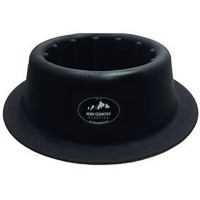
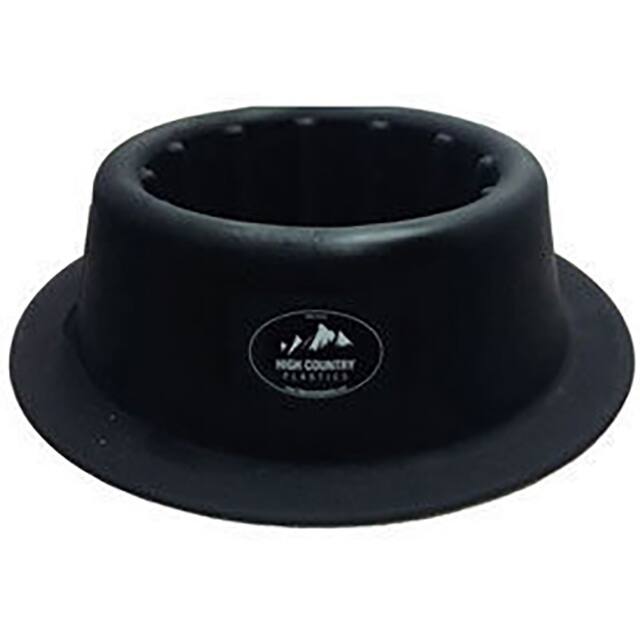
Grain Pan Feeder GPF-6: Key Industry Insight & Specs
The grain pan feeder, specifically the 6-gallon model (GPF-6) from High Country Plastics, may appear to be a simple, passive component in the agricultural equipment ecosystem. However, beneath its rotationally-molded polyethylene exterior lies a critical nexus of material science, precision agriculture, and supply chain strategy. For procurement professionals, this seemingly mundane part is a bellwether for broader trends in the farm equipment aftermarket and OEM assembly lines. Understanding its evolution is essential for mitigating risk and capitalizing on the shift toward smarter, more durable agricultural infrastructure.
The Technology and Material Innovations – The GPF-6 is not just a bucket with a flange. The core technology revolves around rotational molding (roto-molding), a process that creates a seamless, stress-free, and exceptionally durable single-piece construction. Recent innovations in this space are focused on resin formulations. High Country Plastics, like other leaders, is moving toward multi-layer co-extrusion and the use of UV-stabilized, high-density polyethylene (HDPE) that resists cracking under extreme temperature swings and prolonged sun exposure. The specific innovation in the 6-gallon segment is the internal geometry—the feeder's slope and the metering gate design—which is now optimized using computational fluid dynamics (CFD) to ensure a consistent grain flow rate without bridging or clogging. Furthermore, we are seeing a rise in antimicrobial and anti-fungal additives in the resin, a direct response to the need for feed hygiene in poultry and swine operations. These additives prevent biofilm formation, reducing disease transmission and improving feed conversion rates (FCR).
Market Trends and Demand Drivers – The demand for the GPF-6 is tightly correlated with the global protein production cycle. As poultry and livestock inventories expand—particularly in the Americas and Southeast Asia—the need for reliable, low-maintenance feeding equipment grows proportionally. However, the primary demand driver has shifted from simple capacity expansion to operational efficiency. Producers are increasingly replacing metal feeders with plastic equivalents because they are lighter (reducing structural load on flooring), quieter (reducing animal stress), and corrosion-proof. The "6-gallon" size is the sweet spot for standard broiler and layer operations, balancing the need for bulk feed storage with the frequency of manual or automated refills. Additionally, the trend toward farm consolidation means larger operations are standardizing on a single SKU like the GPF-6 for ease of maintenance and parts interchangeability, driving steady volume demand that is less cyclical than new equipment builds.
Supply Chain Dynamics and Pricing Outlook – The supply chain for this component is dominated by North American resin suppliers, but the manufacturing base is diversifying. High Country Plastics, a domestic player, benefits from shorter lead times, but the broader market faces a critical bottleneck: specialty polyethylene pellets. The recent volatility in the petrochemical market (driven by energy costs) has caused lead times for virgin food-grade HDPE to fluctuate between 4 and 8 weeks. However, the larger concern is the shift toward recycled content (PCR). While sustainability mandates are pressuring manufacturers to use recycled resins, these materials often have inconsistent melt flow indexes (MFI), which can compromise the structural integrity of the roto-molded part. We anticipate a pricing outlook of 3-5% annual increases over the next 18 months, driven not by labor costs, but by the premium required for stable, high-performance resin that meets both durability and recycled-content goals. Procurement teams should lock in annual contracts to hedge against resin spot-market spikes.
Emerging Applications Driving New Demand – Beyond traditional poultry houses, the GPF-6 is finding new life in vertical farming and controlled environment agriculture (CEA). In these settings, the feeder is used for quail, game birds, and even specialized insect protein rearing (e.g., black soldier fly larvae). This is a high-growth niche, but more importantly, the feeder is becoming a hardware node for sensor integration. Manufacturers are designing the GPF-6 with pre-molded recesses or mounting bosses to accommodate ultrasonic level sensors and IoT connectivity modules. This allows the feeder to report its weight status to a central farm management software, enabling just-in-time feed delivery and reducing waste. This "smart feeder" capability is a significant value-add that extends the product's lifecycle from a simple consumable to a durable platform.
Technology Roadmap: What's Next – The next generation of this component will likely feature hybrid construction—a roto-molded body combined with injection-molded, replaceable wear parts (like the metering slide). This reduces the total cost of ownership. We also expect to see the integration of color-changing polymers that indicate heat stress or UV degradation, acting as a visual early-warning system for farmers. Furthermore, the adoption of modular design will allow the 6-gallon body to be used with different lid configurations (e.g., twist-lock vs. snap-fit) to accommodate automated filling lines. The focus is on reducing friction points—literally and operationally—to maximize feed flow efficiency.
Regulatory Impact (RoHS, REACH, and Ag Qualifications) – While RoHS (Restriction of Hazardous Substances) is primarily an electronics directive, its influence has trickled into plastic additives. Many roto-molders are now voluntarily complying with RoHS to ensure their colorants and UV stabilizers are free from heavy metals like cadmium and lead. More critical is REACH compliance (Registration, Evaluation, Authorisation and Restriction of Chemicals) in the EU, which restricts phthalates and other plasticizers that could leach into feed. For the U.S. market, the key is FDA 21 CFR 177.1520 compliance for food-contact articles. Unlike automotive components, there is no strict IATF 16949 certification required for agricultural feeders, but the market is increasingly demanding NSF/ANSI 61 certification to ensure no contaminants affect the grain's palatability. Procurement must verify that the specific resin batch used for the GPF-6 has current documentation, as any change in formulation to meet new environmental standards could inadvertently alter the part's impact resistance.
Strategic Recommendations for Procurement – First, dual-source your resin but single-source your molding partner. High Country Plastics' consistency is an asset; changing molders to save 5% on unit cost often results in a 20% increase in field failure rates. Second, negotiate freight consolidation. These feeders are bulky and lightweight, meaning logistics costs can equal the product value. Consider ordering in full truckload (FTL) quantities, even if it means higher inventory holding costs. Third, request a "lot traceability" clause. This ensures that if a resin batch is later found to have a defect, you can identify exactly which feeders are affected. Finally, pilot the smart-feeder configuration. Even if you don't need IoT connectivity yet, specifying a model with pre-installed sensor mounts future-proofs your equipment and increases the asset's resale value. By treating the GPF-6 as a strategic component—not a commodity—you can secure pricing, ensure quality, and align your supply chain with the inevitable digitization of agriculture.