M8 R&M Imperial Magneto: Industry Insight on 8x24x7mm Components
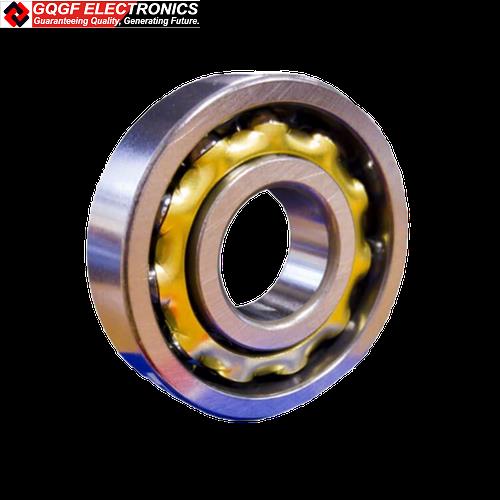
The R&M Imperial Magneto, cataloged under SKU M8 with an 8x24x7mm form factor, represents a quietly critical class of passive magnetic components that rarely headlines industry news but underpins a vast range of electromechanical and sensing applications. For procurement teams and design engineers alike, understanding the trajectory of this component category is essential as demand patterns shift and regulatory pressures mount.
Technology and recent innovations. The M8 Imperial Magneto is fundamentally a precision permanent magnet assembly engineered to tight dimensional tolerances. Recent innovations in this category center on advanced magnetic materials—particularly sintered neodymium-iron-boron (NdFeB) grades with improved coercivity and temperature stability—as well as samarium-cobalt variants for high-temperature environments. Manufacturers have also invested in improved coating technologies, including multi-layer nickel-copper-nickel and epoxy passivations, to resist corrosion in humid or chemically aggressive settings. The 8x24x7mm geometry itself reflects a design compromise between magnetic flux density, mechanical fit, and cost efficiency, making it a de facto standard in legacy and new designs alike.
Market trends and demand drivers. Global demand for miniature magnetic components has grown steadily, propelled by miniaturization across consumer electronics, automotive sensors, and industrial automation. The shift toward electrification—electric vehicles, e-bikes, and grid-scale energy storage—has increased reliance on magnetic assemblies for motors, relays, and position sensing. Simultaneously, the proliferation of IoT edge devices and wearable technology has created new pull for compact, high-performance magnets. Lead times for specialty magnetic components have fluctuated between 12 and 26 weeks over the past 18 months, with NdFeB raw material availability and Chinese export policies acting as primary swing factors.
Supply chain dynamics. The magnetic materials supply chain remains heavily concentrated in China, which controls roughly 85–90% of global rare-earth magnet production. This concentration exposes buyers to geopolitical risk, export licensing changes, and currency volatility. Sourcing diversification efforts—including magnet production initiatives in Vietnam, Japan, and the United States—are gaining traction but remain years from scale. Pricing outlook for the M8-class component is cautiously bullish: expect 4–8% annualized price increases driven by rare-earth feedstock costs, energy prices in production regions, and compliance-related overhead. Distributors with strong factory relationships and buffer inventory are positioned to outperform.
Emerging applications. Beyond traditional uses in loudspeakers, door closures, and Hall-effect sensors, the M8 magnet is finding new life in robotic joint actuators, drone propulsion systems, and medical micropumps. Automotive ADAS platforms increasingly rely on magnetic position sensors for steering, braking, and throttle control, each requiring robust, qualified magnets. Renewable energy applications—particularly wind turbine pitch systems and solar tracker actuators—represent a growing vertical. The common thread is higher operating temperatures, tighter tolerances, and longer service life, all of which push demand toward premium magnet grades.
Technology roadmap. The next three to five years will likely see three developments: first, broader adoption of grain boundary diffusion (GBD) processes that reduce heavy rare-earth content while maintaining coercivity; second, additive manufacturing of complex magnet geometries that reduce assembly steps; and third, integrated magnetic-sensor modules that combine the magnet and sensing element into a single package. For the M8 form factor specifically, expect incremental improvements in energy product (BHmax) and temperature ratings rather than radical redesign, as backward compatibility remains a priority for OEMs with long product lifecycles.
Regulatory impact. RoHS and REACH compliance is now table stakes, but the regulatory landscape is tightening. REACH SVHC listings continue to expand, and proposals to restrict certain rare-earth compounds could affect coating and alloy formulations. Automotive customers demand IATF 16949 qualification, PPAP documentation, and full material traceability—requirements that smaller magnet suppliers often struggle to meet. The EU Critical Raw Materials Act and similar U.S. initiatives will likely incentivize domestic or allied-nation sourcing, potentially reshaping supplier qualification criteria. Buyers should verify not only RoHS/REACH status but also conflict-mineral declarations and automotive-grade certifications before approving any new source.
Strategic recommendations for procurement teams. First, dual-source aggressively. Qualify at least one non-Chinese magnet supplier, even at a modest price premium, to hedge geopolitical and logistical risk. Second, lock in longer-term agreements with indexed pricing to smooth volatility. Third, invest in inventory buffers for critical SKUs—target 8–12 weeks of coverage for A-class items like the M8. Fourth, engage suppliers early on compliance documentation and roadmap alignment. Finally, collaborate with design engineering to standardize on magnet grades and geometries where possible, reducing SKU proliferation and improving negotiating leverage. In a market defined by material scarcity and regulatory complexity, the procurement function is no longer a cost center but a strategic risk-management capability.