Sylvania 250T10/HAL/F vs. Alternatives: Complete Comparison Guide
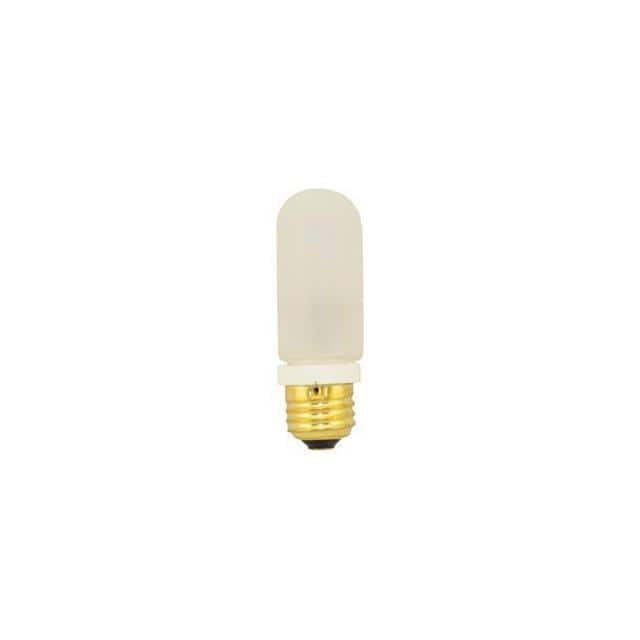
When buyers search for the FOR SYLVANIA 250T10/HAL/F (Brand: Interlight, SKU: WW-59AH-9), they are looking at a halogen lamp designed for use in technical and architectural lighting systems rather than a semiconductor or passive component. This part falls into the category of halogen lamps, specifically a double-ended linear halogen bulb with a 250-watt rating, a T10 shape, and a recessed single-contact base. In electronic systems, this lamp functions as the visible light source in fixtures used for high-intensity floodlighting, stage and studio lighting, and industrial inspection. Its role is to convert electrical energy into a broad-spectrum, high-output beam that can be controlled with lenses, reflectors, or dimmers. Unlike LEDs, which require drivers and heat management, this halogen lamp operates directly on mains voltage or through a step-down transformer, making it a simple resistive load in the circuit.
When selecting a halogen lamp of this type, several key parameters matter. Wattage and voltage must match the fixture and ballast or transformer; a 250-watt lamp on a 120-volt circuit will draw about 2.08 amps, while a 240-volt version draws half that. Color temperature for halogen is typically around 2900–3200 K, producing a warm white light that renders colors well. Lumen output and efficacy are modest by modern standards—roughly 20–25 lumens per watt—so buyers needing high efficiency should look elsewhere. Lamp life is usually 2,000 to 4,000 hours, and it is sensitive to vibration and voltage spikes. Base type and physical dimensions are critical: the T10 shape with a recessed single-contact base must fit the socket exactly, and the overall length and diameter must clear the fixture’s reflector and glass cover. UV and thermal management also matter, since halogen lamps emit significant heat and some UV, requiring fixtures with proper shielding.
Compared with alternatives, this Sylvania halogen lamp occupies a middle ground. Against LED replacements, it offers lower initial cost per lamp but much higher energy use and shorter life. A 250-watt halogen can be replaced by a 30–50 watt LED retrofit in some fixtures, but that requires a compatible driver and may not match the original beam pattern or dimming behavior. Against linear fluorescent lamps, halogen provides better color rendering and instant-on performance without flicker or mercury, but it is less efficient and generates more heat. Against high-intensity discharge (HID) lamps, halogen is cheaper and simpler but has lower efficacy and shorter life. In terms of availability, the FOR SYLVANIA 250T10/HAL/F is a legacy halogen product; many distributors still stock it, but supply is shrinking as manufacturers shift to LED. Interlight, the brand listed, is a aftermarket supplier that sources and cross-references discontinued or hard-to-find lamps, so availability can fluctuate.
Industry trends are moving strongly away from halogen. Energy regulations in the EU and North America have phased out many general-service halogen lamps, pushing buyers toward LED and compact fluorescent. LED efficiency continues to improve, with lumens per watt exceeding 100, and prices falling. Smart lighting and dimming protocols favor LEDs, which can be controlled digitally. For halogen, the remaining demand is in niche applications: stage and studio lighting where color temperature and beam quality are critical, industrial inspection where high CRI and intense point-source light are needed, and older fixtures where retrofitting is costly or impractical. Supply chain consolidation has reduced the number of halogen manufacturers, making some part numbers harder to find and increasing lead times.
Choose this specific component when you need a direct drop-in replacement for an existing fixture that uses the 250T10/HAL/F base and cannot be easily converted to LED. It is also a good choice when the application demands a warm, high-CRI light with instant-on and full dimming capability, such as in photography or architectural accent lighting. If your priority is lowest total cost of ownership, energy efficiency, or long life, an LED alternative will usually be better. This lamp is also appropriate when you need a small quantity quickly and the LED retrofit would require rewiring or a new driver. For buyers maintaining legacy equipment, keeping a few of these on hand can avoid downtime.
From a procurement standpoint, lead times for this halogen lamp are typically short if stock is available—often 1–2 weeks from distributors—but can stretch to 4–6 weeks if the item is backordered or sourced from overseas. Lifecycle status is mature to declining; Sylvania and other major brands have reduced halogen production, so this is not a growth category. Second-source options include equivalent lamps from Ushio, Philips, and GE, but exact cross-references must be verified for base type, length, and voltage. Interlight’s SKU WW-59AH-9 is a specific catalog number, so buyers should confirm that the physical dimensions and electrical ratings match the original Sylvania part. Because halogen lamps are commodity items, price negotiation is limited, but volume discounts may apply. For critical applications, consider stocking a year’s supply or qualifying an LED retrofit to avoid obsolescence risk. Always check RoHS and local disposal regulations, as halogen lamps contain no mercury but do have high heat and UV considerations.