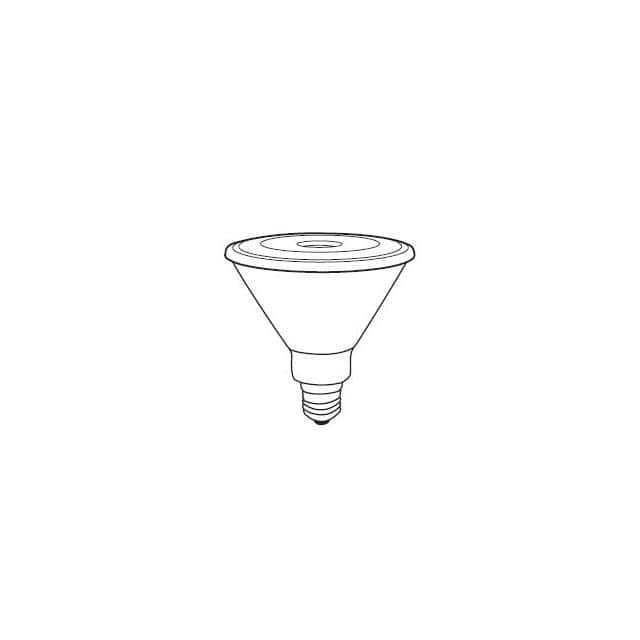
Troubleshooting the 14W P30 Dimmable 27KFL 95 (WW-S7RD-7)
When a customer calls about the Interlight 14W P30 DIMMABLE 27KFL 95 (SKU WW-S7RD-7), the first thing I ask is whether the lamp is in a fixture with a compatible dimmer or on a plain switch leg. This is a 14W dimmable LED lamp in the 2700K range, and the majority of "failures" I have investigated over the years trace back to the dimming system or the fixture wiring rather than the lamp itself. Treat the lamp as a system component, not a standalone part, and your debug time drops dramatically.
Typical failure modes and root causes. The most common complaint is flicker or shimmer at low dim levels. Root causes are usually a dimmer below the lamp's minimum load, a non-neutral dimmer in a two-wire install, or mixed lamp types on one dimmer circuit. Second is premature end-of-life: lamps that darken or fail within months usually sit in enclosed non-ventilated fixtures where case temperature climbs well above the lamp's rating. Third is start-up stutter or a brief flash when the switch closes, which often points to inrush current tripping a smart dimmer or an electronic switch with a low current threshold. Fourth, and rarer, is a dead lamp out of the box; if you see more than one in a shipment, suspect a counterfeit or a damaged lot before you suspect your wiring.
Step-by-step debugging methodology. Start by swapping the suspect lamp into a known-good socket on a plain switch. If it works there, the lamp is fine and the problem is the circuit. Next, measure the dimmer's minimum load against the lamp count: a single 14W lamp on a 60W-minimum dimmer will misbehave every time. Then check the dimmer compatibility list for the lamp family, not just the brand. If flicker persists, temporarily bypass the dimmer and feed the lamp directly from line voltage; if the flicker disappears, the dimmer is the culprit. Finally, check for shared neutrals, loose wire nuts, and backstabbed receptacles on the same circuit, because intermittent neutral connections cause exactly the kind of flicker customers blame on lamps.
Schematic and layout mistakes. In driver or ballast designs that feed this class of lamp, the classic errors are undersized bulk capacitance on the rectified DC bus, which shows up as 120 Hz flicker, and inadequate creepage between the isolated secondary and the primary side. On the PCB, keep the switching node loop tight, route the dimming signal away from the gate drive, and do not run the LED return current under the control IC. I have seen boards where a ground pour split under the driver caused audible buzz and visible flicker at 10 percent dim. Also verify that the dimmer's neutral reference is not shared with a noisy load like a motor.
Verifying authenticity and quality. Buy from authorized distribution and check the SKU WW-S7RD-7 against Interlight's listing. Look at the label print quality, the base crimp, and the diffuser fit; counterfeits usually have soft or misregistered printing and loose bases. Weigh a sample against a known-good unit; a 10 to 15 percent weight difference is a red flag. If you have a batch, run a 30-minute burn-in at rated voltage and log current draw; outliers will show up quickly.
Measurement techniques and equipment. Use a true-RMS clamp meter for line current, an isolated differential probe with a scope to look at the dimmer output waveform, and a thermal camera or thermocouple on the lamp base and heatsink. A power quality analyzer helps when you suspect harmonics from other loads on the circuit. For flicker, a simple photodiode into a scope is more honest than the eye. Always measure at the socket, not at the panel, so you capture voltage drop in the run.
When to suspect the component versus the circuit. Suspect the lamp when it fails identically in multiple known-good fixtures. Suspect the circuit when the lamp works elsewhere, when multiple lamps of different brands fail on the same dimmer, or when the failure correlates with a specific switch, dimmer, or time of day.
Case studies. One customer reported 40 percent failure in six months; the lamps were in sealed downlights with no airflow, and base temperatures hit 95 C. Venting the fixture solved it. Another had flicker only in the evening; a shared neutral with a refrigerator compressor was the cause, fixed by separating the circuits. A third received a shipment where three of ten lamps were dead; the label font was wrong and the weight was light, and the supplier confirmed a counterfeit lot. In each case, the lamp was the messenger, not the message.