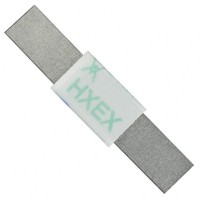
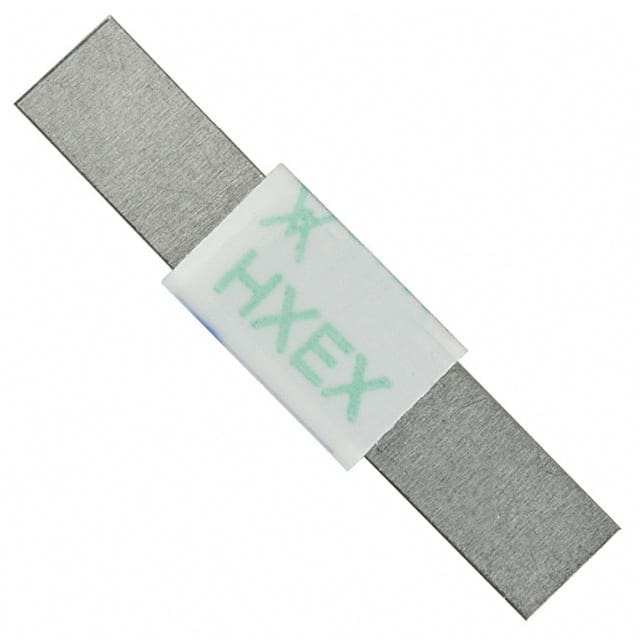
Troubleshooting the SRP175F PTC Reset Fuse: 15V 1.75A Strap Fixes
When customers call me about the Littelfuse SRP175F (15V, 1.75A strap-mount PTC), the conversation usually starts with "the fuse keeps tripping" or "the fuse won't reset." In my experience, maybe one in five of those calls turns out to be an actual component problem. The rest are application issues. Here's how I walk people through it.
Typical failure modes and root causes. The SRP175F is a polymer positive temperature coefficient device. Its healthy failure mode is tripping: resistance rises sharply as it heats, limiting current, then it cools and resets. The most common "failure" is a nuisance trip, caused by sustained current near or above the 1.75A hold threshold, high ambient temperature (the hold current derates significantly above 25°C), or a load with a high inrush. The second most common is failure to reset, which usually means the device is being held hot by a surrounding heat source, a shorted load that never clears, or a board that traps heat under the strap. Genuine hard failures—an open circuit after repeated trips or a device that stays permanently high-resistance—do occur but are rarer. Mechanical damage during assembly, especially bending the strap leads right at the body, is a real culprit in production.
Step-by-step debugging. First, measure the actual load current with a scope or a logging meter, not just a DMM on a steady state—you want to see inrush. Second, measure the voltage across the device while it's in the circuit; a healthy untripped SRP175F drops well under a volt at rated current, so a large drop means it's hot or already degraded. Third, check ambient temperature at the device with a thermocouple; a 40°C ambient cuts the effective hold current substantially. Fourth, disconnect the load and confirm the device resets within its specified time. Fifth, substitute a known-good part from a different lot to isolate component vs. circuit. I always tell people to do step four before condemning the part.
Schematic and layout mistakes. The classic schematic error is sizing the PTC for the steady-state current only, ignoring inrush from motors or capacitive loads—the SRP175F will trip on startup and never settle. Another is placing the PTC where it shares a thermal path with a regulator or power resistor, so it never cools. On layout, the strap format invites trouble: routing it directly over a hot copper pour or next to a switching inductor raises its temperature and derates it. Poor solder joints on the strap pads, or pads sized so the strap sits under mechanical stress, cause intermittent opens. I've also seen designers put the PTC on the return path with a long, thin trace that adds resistance and heat—keep the copper heavy and short.
Verifying authenticity and quality. Buy from authorized distributors; counterfeit PTCs with wrong hold currents are a real problem in the gray market. Check the marking and the Littelfuse lot code, and compare the physical strap dimensions and body thickness against the datasheet—clones are often subtly thinner. On the bench, measure the initial resistance at 25°C against the datasheet tolerance; a part reading far outside spec is suspect. A quick trip-and-reset cycle test at rated current, watching the resistance recovery curve, will expose marginal or fake parts quickly.
Measurement techniques and equipment. Use a current probe or a shunt with a scope to capture inrush, a calibrated DMM for steady-state current, a thermocouple or IR camera for device temperature, and a programmable load for trip/reset testing. Avoid measuring resistance with the part in-circuit; stray parallel paths will fool you. For reset timing, log voltage across the device over several minutes after removing the fault.
Component vs. circuit. Suspect the component if it trips well below its derated hold current, fails to reset with the load disconnected, or reads out of tolerance cold. Suspect the circuit if trips correlate with ambient heat, inrush events, or nearby heat sources, or if a fresh part from a different lot behaves identically.
Case studies. One customer's 12V motor driver tripped the SRP175F on every startup; the inrush exceeded 4A for 200ms. We added a soft-start and the problem vanished—the PTC was fine. Another had field returns of "open" fuses; the strap was being bent during housing assembly, cracking the polymer. A fixture change fixed it. A third saw random trips in a sealed enclosure; the internal temperature reached 55°C, derating the hold current below the 1.4A load. Relocating the PTC away from the regulator solved it. In each case, the part was doing exactly what it was designed to do—the application was the problem.