OM3 SC-SC Duplex 2mm 3m Patch Cable Comparison Guide: Which Wins?
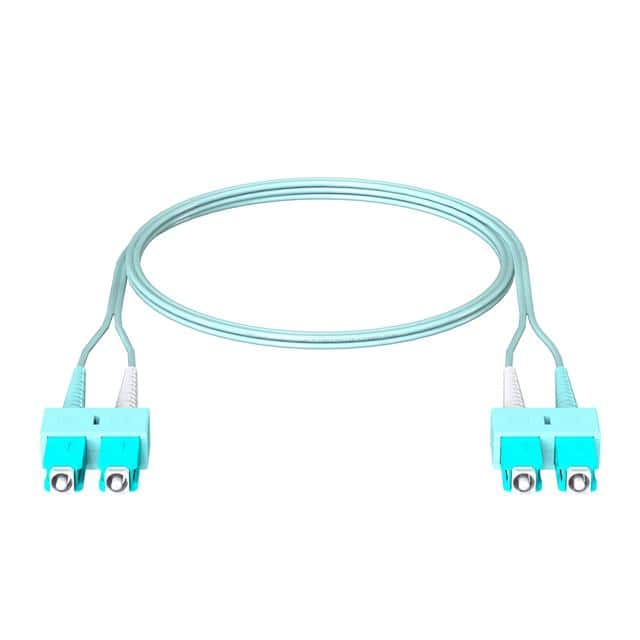
At first glance, the Vertical Cable 261-PC3C66A003M looks like a simple part number, but it describes a very specific and widely deployed product: a 3-meter, 2mm duplex fiber optic patch cable using OM3 multimode fiber with SC-to-SC connectors. This component belongs to the fiber optic connectivity and cabling category, and its role in electronic systems is to carry high-speed optical signals between active network equipment such as switches, servers, media converters, storage arrays, and patch panels. In a typical data center or enterprise LAN, these cords form the physical layer that links transceivers to structured cabling, making them critical to signal integrity, link reliability, and the overall performance of 10G and higher-speed networks.
When specifying a patch cord like this, several parameters matter most. Fiber type and performance grade come first: OM3 is a laser-optimized 50/125µm multimode fiber designed for 10Gb/s transmission up to 300 meters and supports 40G/100G at shorter distances using parallel optics. Connector type and polish are equally important; SC connectors are square, push-pull, 2.5mm ferrule connectors that remain common in legacy and current telecom and data environments, and the polish (PC here, meaning physical contact) determines insertion loss and back-reflection performance. Cable construction matters too: a 2mm duplex zipcord is a compact, flexible riser-style construction well suited to high-density patch fields and equipment-side connections, while the 3-meter length is a practical reach for intra-rack and adjacent-rack links. Buyers should also confirm insertion loss, return loss, and whether the assembly is tested to industry standards such as IEC 61300-3-4 or TIA-455.
Compared with alternatives, this OM3 SC-SC duplex cord occupies a middle ground. Against OM4 and OM5 multimode cords, OM3 offers lower cost and is fully adequate for 10G links up to 300m, though OM4 provides longer reach and better margin for 40G/100G; OM5 adds wider bandwidth for shortwave division multiplexing but at a premium. Against LC connectors, which dominate modern high-density SFP-based equipment, SC connectors are larger and less dense but remain the standard on many telecom interfaces and older switches, so the choice is often dictated by the equipment port rather than preference. Against single-mode alternatives, multimode OM3 assemblies are cheaper for optics and short-reach links but cannot match single-mode distance. Availability for OM3 SC-SC cords is generally strong because the format is mature and widely manufactured, and pricing is moderate; the main variability comes from brand, testing documentation, and jacket rating rather than from scarcity.
Industry trends are reshaping this category in several ways. Hyperscale and enterprise data centers continue to shift toward LC and MPO/MTP connectivity for high-density 40G/100G/400G deployments, which gradually reduces new-design demand for SC patch cords. At the same time, OM4 and OM5 adoption is rising for new multimode builds, while OM3 remains heavily installed and continues to generate replacement and maintenance demand. Sustainability and cable management trends favor smaller-diameter, higher-density cords, and buyers increasingly expect test reports and traceability with each assembly. Supply chains have also diversified, with many qualified manufacturers offering equivalent products, which improves availability but puts pressure on buyers to verify performance claims rather than rely on brand alone.
Choose this specific Vertical Cable 261-PC3C66A003M when you need a short-reach 10G multimode link between SC-equipped ports—for example, connecting a switch with SC interfaces to a patch panel, linking media converters, or maintaining an existing OM3 infrastructure where matching the installed fiber grade avoids mixing loss budgets. It is a sensible choice for intra-rack and adjacent-rack patching where a 3-meter length is right and a compact 2mm duplex cord helps with density and airflow. It is less appropriate for new 40G/100G builds where OM4 or MPO cabling is the better long-term investment, or where LC ports dominate and adapters would add loss and complexity.
From a procurement standpoint, this is a mature, active-lifecycle commodity item with generally short lead times from distributors and stock availability across multiple channels. Buyers should confirm the manufacturer's test documentation, jacket rating for the installation environment, and whether the part is a stocked catalog item or made to order. Because the specification is standard, second-source options are plentiful: equivalent OM3 50/125µm SC-SC duplex 2mm patch cords from other reputable brands can serve as drop-in substitutes, provided insertion loss and return loss meet the same limits and the fiber grade matches. A prudent strategy is to qualify at least one alternate supplier, keep a modest safety stock for critical links, and verify that any substitute carries comparable test data—protecting both network performance and supply continuity without overpaying for a well-established, widely available component.