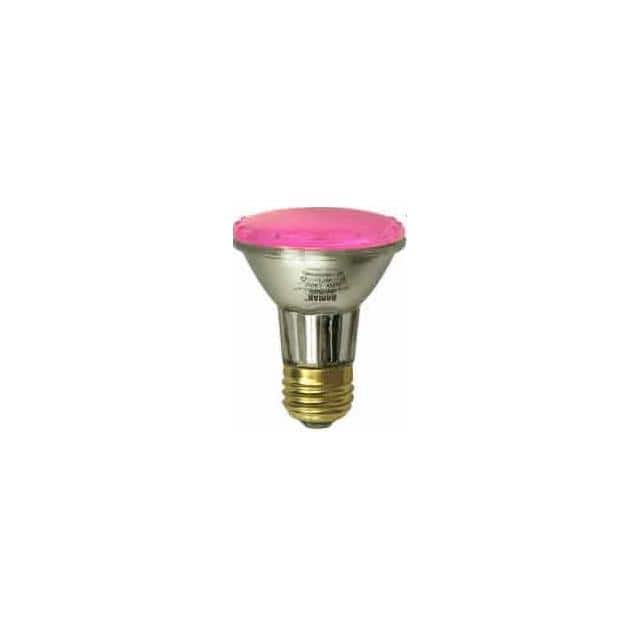
Bulbrite 683506 (WW-0LUH-7) Replacement: Datasheet Guide
Interpreting the datasheet for the Interlight replacement for the Bulbrite 683506 begins with understanding what this device actually is: a direct-fit replacement lamp assembly, not a discrete semiconductor or passive component. The SKU WW-0LUH-7 identifies a product intended to substitute for the original Bulbrite 683506 in existing fixtures, so the electrical specifications should be read as system-level operating parameters rather than die-level characteristics. Engineers evaluating this part should first confirm the nominal operating voltage and wattage against the original lamp's rating, because the replacement is designed to present a comparable electrical load to the fixture's driver or ballast. The key figures to extract are rated voltage, rated power, current draw at nominal voltage, and the lamp's luminous and color characteristics where specified. In practice, the current draw is the most useful number for verifying compatibility with existing wiring, fusing, and control gear, while the wattage determines thermal load inside the fixture.
Absolute maximum ratings for a replacement lamp are typically expressed as voltage and temperature limits rather than the surge and junction limits familiar from semiconductor datasheets. The critical derating consideration is ambient temperature: lamp life and lumen maintenance degrade as the surrounding temperature rises, and the datasheet's rated life figure is almost always quoted at a specified ambient, commonly 25 degrees Celsius. Operating above the rated ambient voids the life expectation and can accelerate color shift or premature failure. Voltage tolerance should also be respected; sustained overvoltage shortens filament or driver life depending on the lamp construction. Where the datasheet provides a derating curve of life versus ambient temperature, apply it conservatively, and remember that enclosed fixtures run significantly hotter than open ones, so a lamp rated for open-air use may need to be derated or avoided in sealed luminaires.
Because this is a replacement lamp, there is no typical application circuit in the sense of an external component network; the "circuit" is the fixture's existing supply. The analysis should instead focus on the interface: whether the fixture provides mains voltage directly, a step-down transformer, or a dimming control. Confirm the replacement's input characteristics match the supply type, and verify dimming compatibility if the fixture is controlled by a dimmer, since replacement lamps vary in minimum load and dimming range. Inrush behavior at switch-on is worth noting, particularly when multiple replacements share a circuit, as cumulative inrush can stress switches and breakers. For fixtures with electronic transformers, check that the replacement's load falls within the transformer's rated window, as too light a load can cause misfire or flicker.
Pin configuration and package considerations center on the physical base type and envelope dimensions. The replacement must mate with the original socket without modification, so verify the base designation, pin spacing, and pin diameter against the Bulbrite original, and confirm overall length and diameter clear the fixture's reflector, lens, and surrounding obstructions. Mechanical fit is a purchasing criterion as important as electrical compatibility, because a lamp that fits electrically but fouls the fixture cannot be installed safely. Also check orientation restrictions; some lamp constructions are position-sensitive, and the datasheet will state whether any mounting orientation is permitted or whether a specific base-up or base-down attitude is required for rated life.
Thermal management guidelines should be read as installation constraints rather than design equations. Keep the lamp within the specified ambient range, provide the clearances the datasheet calls for around the envelope, and avoid installing the replacement in fixtures whose wattage rating is lower than the lamp's rating. Where the original datasheet specified a maximum fixture wattage, treat that as a hard limit for the replacement as well. Good practice includes checking that ventilation paths in the fixture are unobstructed and that the lamp is not adjacent to heat-sensitive wiring insulation.
Characteristic curves for a lamp of this class typically include lumen maintenance versus operating hours, life versus ambient temperature, and sometimes a spectral distribution plot. Read lumen maintenance as the expected decline from initial output, and use the 70 percent or 50 percent threshold stated in the datasheet to plan replacement intervals. The life-versus-temperature curve is the most decision-relevant: locate your fixture's measured or estimated ambient on the horizontal axis and read the expected life on the vertical axis, then apply a safety margin. Spectral plots should be compared against the original lamp's color temperature and rendering characteristics if color consistency matters in the application.